
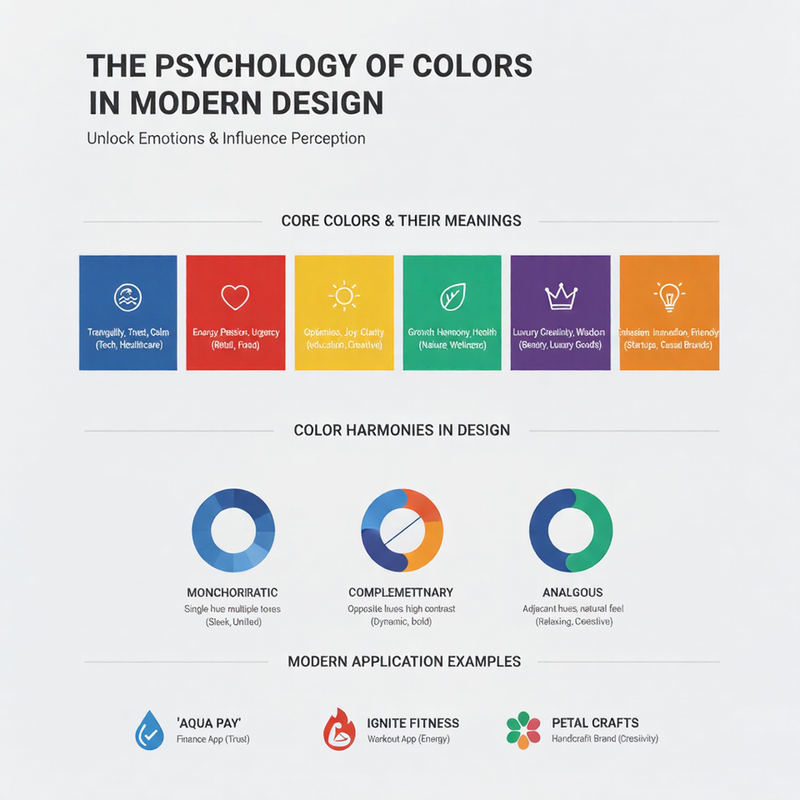
The Psychology of Color in Modern Design
Color is a silent language that speaks directly to our subconscious. Before a user reads a single word on your website, they feel the impact of your color palette. This immediate emotional and psychological response is the foundation of color psychology, a critical field for any designer, marketer, or brand strategist. In the fast-paced world of digital interfaces, where first impressions are everything, color is arguably your most powerful tool. It transcends cultural and linguistic barriers, creating an immediate, visceral connection with the user. Understanding this language allows you to build a deeper relationship with your audience, guide their experience, and ultimately, influence their decisions. In a landscape where attention is the scarcest commodity, choosing the right palette isn't just an aesthetic choice—it's a strategic imperative that can make the difference between a brand that feels trustworthy and one that feels chaotic.
The power of color lies in its ability to evoke specific emotions and associations shaped by biology, culture, and personal experience. From a biological standpoint, our reaction to color is deeply rooted in our evolutionary history. The vibrant red of a ripe fruit signaled energy, while the stark black and yellow of a wasp signaled danger. These primitive responses are still wired into our brains. Longer-wavelength colors like red and orange are physically arousing and can increase heart rate, making them perfect for creating a sense of urgency. Conversely, shorter-wavelength colors like blue and green are calming and can foster a sense of peace. This is why a red 'Buy Now' button feels urgent, while a blue background on a meditation app feels tranquil.
Culture adds another rich layer to this interpretation. While white may symbolize purity in Western cultures, it is often associated with mourning in many Eastern cultures. Similarly, red signifies luck and prosperity in China, while in South Africa, it's the color of mourning. A successful global brand must be acutely aware of these nuances. Finally, personal experiences create unique color associations for every individual. As designers, while we can't account for every personal history, we can leverage the broader, more universal patterns of color psychology to create experiences that resonate with most of our target audience.
Let's explore the psychological landscape of key colors in branding and design:
- Red: The color of passion, energy, and urgency. Red is a powerful attention-grabber. It's used by brands like Coca-Cola and Netflix to stimulate appetite and create a strong presence. In UI design, it's the universal signifier for error states and critical warnings, demanding immediate attention. A 'Delete' button is almost always red to make the user pause. However, its stimulating properties can also be used positively. A 'Buy Now' or 'Limited Time Offer' button in red can increase conversion rates by creating a sense of scarcity. The key is context and moderation; overuse can create anxiety.
- Blue: The embodiment of trust, security, and professionalism. As the most universally favored color, blue is a safe choice for corporate, tech, and financial institutions. Brands like Facebook, IBM, and PayPal leverage blue to build a sense of dependability and calm. Lighter shades of blue feel open and serene, while darker shades evoke sophistication and authority. In UI, blue is often used for primary links, informational icons, and action buttons where the goal is to build user confidence rather than urgency.
- Green: Intrinsically linked to nature, health, and growth. Green is the easiest color for the human eye to process, making it a restful and balancing choice. It evokes feelings of harmony and peace. This makes it the go-to color for brands focused on wellness, sustainability, and finance. Whole Foods and Starbucks use green to signal their connection to natural products. In UI design, green is the universal color for success messages. A 'Payment Successful' notification in green provides immediate, positive feedback.
- Yellow: Radiating optimism, warmth, and happiness. Yellow is the most visible color in the spectrum, which is why it's often used for warning signs. In branding, it captures attention and can stimulate mental activity. Brands like McDonald's and IKEA use yellow to evoke feelings of fun and affordability. However, its high visibility can also lead to eye fatigue if overused. In UI, yellow is excellent for highlighting important, non-critical information.
- Orange: A vibrant blend of red's energy and yellow's cheerfulness. Orange is seen as enthusiastic, creative, and confident. It's great for calls-to-action that need to be eye-catching but friendly. Brands like Amazon and The Home Depot use orange to communicate speed, efficiency, and a can-do attitude. For UI, orange buttons can outperform red or green in certain contexts because they provide a strong visual cue without the strong negative or positive connotations.
- Purple: Historically associated with royalty, purple continues to convey a sense of luxury, wisdom, and creativity. It offers a unique balance of red's stimulation and blue's calm. Lighter shades like lavender are seen as romantic, while deeper shades feel rich and luxurious. Brands like Cadbury and Hallmark use purple to signal quality and heritage. In UI design, purple is a great choice for brands that want to appear creative and imaginative.
- Black: The color of sophistication, power, and elegance. Black is a staple for luxury brands like Chanel and Cartier because it creates a sense of exclusivity and authority. The rise of 'dark mode' has made black a primary background color for countless applications, praised for its ability to reduce eye strain and save battery life. When used as a primary color, it creates a dramatic, focused, and premium user experience.
- White: Representing simplicity, cleanliness, and minimalism. White creates a sense of space and clarity. In design, 'white space' (or negative space) is a fundamental principle, providing the breathing room necessary for other design elements to stand out. Apple masterfully uses white space to give its products a clean, user-friendly, and sophisticated feel. In UI, white is the default background for content-heavy sites because it provides maximum readability.
Mastering color psychology is about making intentional, informed choices that go beyond personal preference. It's about what feels right for your brand and what you want your audience to feel. Your color palette should be a direct reflection of your brand's personality and a powerful tool for guiding the user experience. Every hue and shade you choose is a brushstroke in the larger picture of your brand's story. Choose them wisely.